
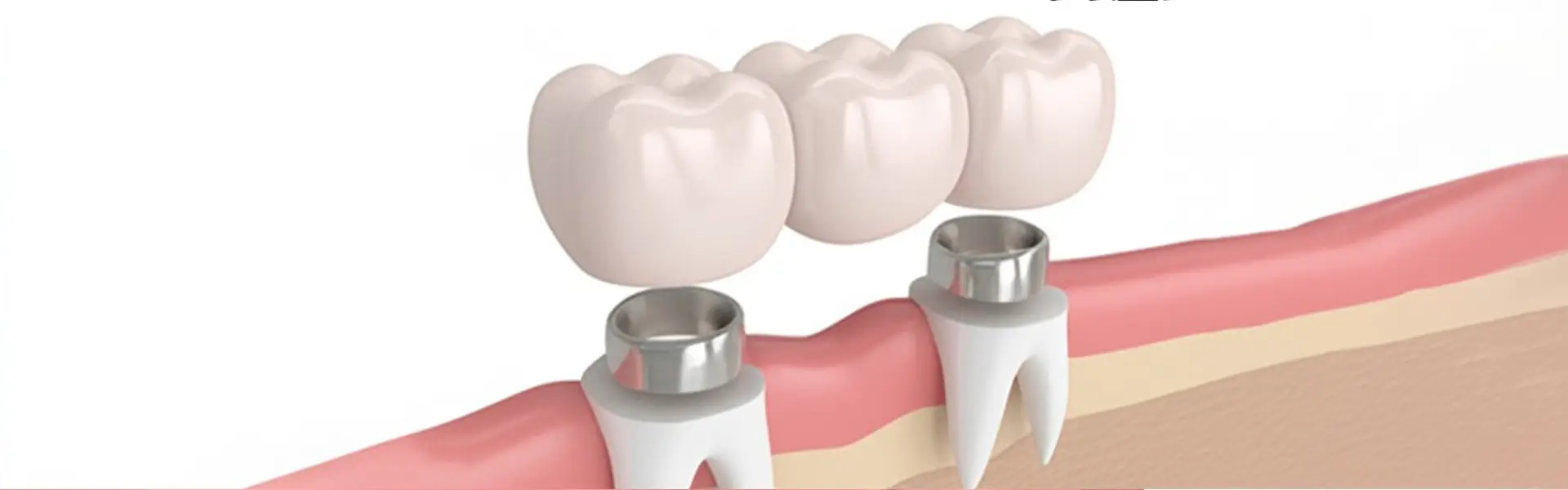
How to Care for Your Same Day Crown After Placement
Same day crowns restore strength and shape in one visit. We scan your tooth digitally, mill a ceramic cap, and bond it before you leave. Good aftercare helps the crown feel natural and last for years. Below is a clear plan for the first day, your daily routine, and long-term protection,so you know exactly what to do after your appointment.
Understanding Your Same Day Crown
A same day crown is a custom ceramic cover that protects a weakened or heavily filled tooth. It restores chewing strength and seals the surface against decay. Modern materials like lithium-disilicate or zirconia resist daily staining and wear under normal chewing forces. Still, like enamel, they can chip under pressure, so gentle use matters.
Key benefits
- Protects a tooth weakened by large fillings or fractures
- Restores comfortable chewing and bite alignment
- Matches natural tooth color for a seamless look
- Completed in one visit without temporary crowns
Immediate Aftercare: The First 24 Hours
Your first day of care sets the stage for comfort and stability.
- After numbing: Give the numbness time to fade before eating so you don’t accidentally bite your tongue or cheek.
- Chewing: Use the opposite side of your mouth until the following day.
- Sensitivity: Mild temperature sensitivity is common. Choose lukewarm foods and drinks for comfort.
- Discomfort: Short-term soreness usually responds to over-the-counter pain relievers as directed on the label.
- Brushing: Gently clean around the crown that night.
- Flossing: After flossing, slide the strand out forward rather than lifting against the crown’s edge to protect the margin.
- Clenching: If you clench under stress, rest your jaw with lips closed and teeth apart.
Call a dentist near you if your crown feels “tall,” loose, or painful to bite on. A small adjustment can quickly restore comfort.
Eating and Drinking with Your New Crown
Ceramic crowns are durable, but smart habits protect them.
- First day: Stick to soft foods like eggs, yogurt, soups, and steamed vegetables.
- Later on: Eat normally, but cut tough or crisp foods into smaller bites.
- Avoid forceful habits: Skip ice chewing, nail biting, or using your teeth to open packages.
- Watch extremes: Very hot or cold foods can heighten sensitivity.
- Reduce sugar exposure: Limit frequent sweet drinks to protect the crown margin.
- Skip alcohol-heavy rinses: These can dry tissues and irritate gums.
If you’re searching for same day crowns near me, ask about materials and bite checks,fit and education make a difference.
Daily Oral Hygiene Tips
Clean margins, where the crown meets your gumline, are essential for long-term success.
- Brushing: Brush morning and night with a soft-bristled toothbrush, using small, gentle circles along the gumline.
- Toothpaste: Fluoride toothpaste protects the tooth beneath the crown.
- Flossing: Floss once daily, sliding gently and pulling the strand out forward.
- Rinsing: Use a non-alcohol fluoride or xylitol rinse to support enamel.
- Optional tools: A water flosser helps around bridges or tight areas; aim along the gumline, not into the pocket.
Consistent home care keeps gums healthy and protects the edges of your restoration.
Managing Sensitivity or Discomfort
It’s normal to experience mild, short-term sensitivity to temperature or pressure.
- Duration: Most people notice improvement within a few days to two weeks.
- At home: Use desensitizing toothpaste twice daily and avoid extreme temperatures.
- Bite adjustment: If your crown feels “high,” your dentist can fix this quickly.
- Grinding: If you wake with jaw soreness, consider a night guard for protection.
Call your dentist if pain lingers, sharpens, or interferes with sleep; this may signal an underlying issue.
Protecting Your Crown from Damage
Your crown is strong but needs mindful care to stay intact.
- Night guard: Use one if you grind or clench at night.
- Sports protection: Wear a mouthguard for contact sports or activities with impact risk.
- Avoid bad habits: Skip nail biting, chewing pens, or tearing packages.
- Sticky foods: Limit very sticky candies that can stress the crown’s edges.
- Routine checks: Minor polishing or bite adjustments reduce wear and improve comfort.
Regular Dental Visits and Checkups
Professional maintenance supports the health of your crown and surrounding teeth.
- Checkups and cleanings: Every six months, or more often if recommended. Your hygienist will clean around the crown and check gum health.
- X-rays: Taken as needed to monitor the tooth under the crown.
- Crown inspection: Your dentist checks the fit, polish, and gumline seal at each visit.
- Longevity: With consistent care, crowns can last ten years or more.
If you’re new to the area and looking for a dentist in Clearlake, choose a clinic that uses digital imaging and precise bite evaluation for the most accurate fit.
Conclusion
Caring for your same-day crown is straightforward: be gentle on day one, clean carefully each day, protect against grinding, and maintain routine visits. If the crown feels high, sore, or chipped, contact your dentist for quick attention. With these habits, your restoration will stay strong and comfortable for years. For guidance and care from a trusted team, visit American Modern Dental.